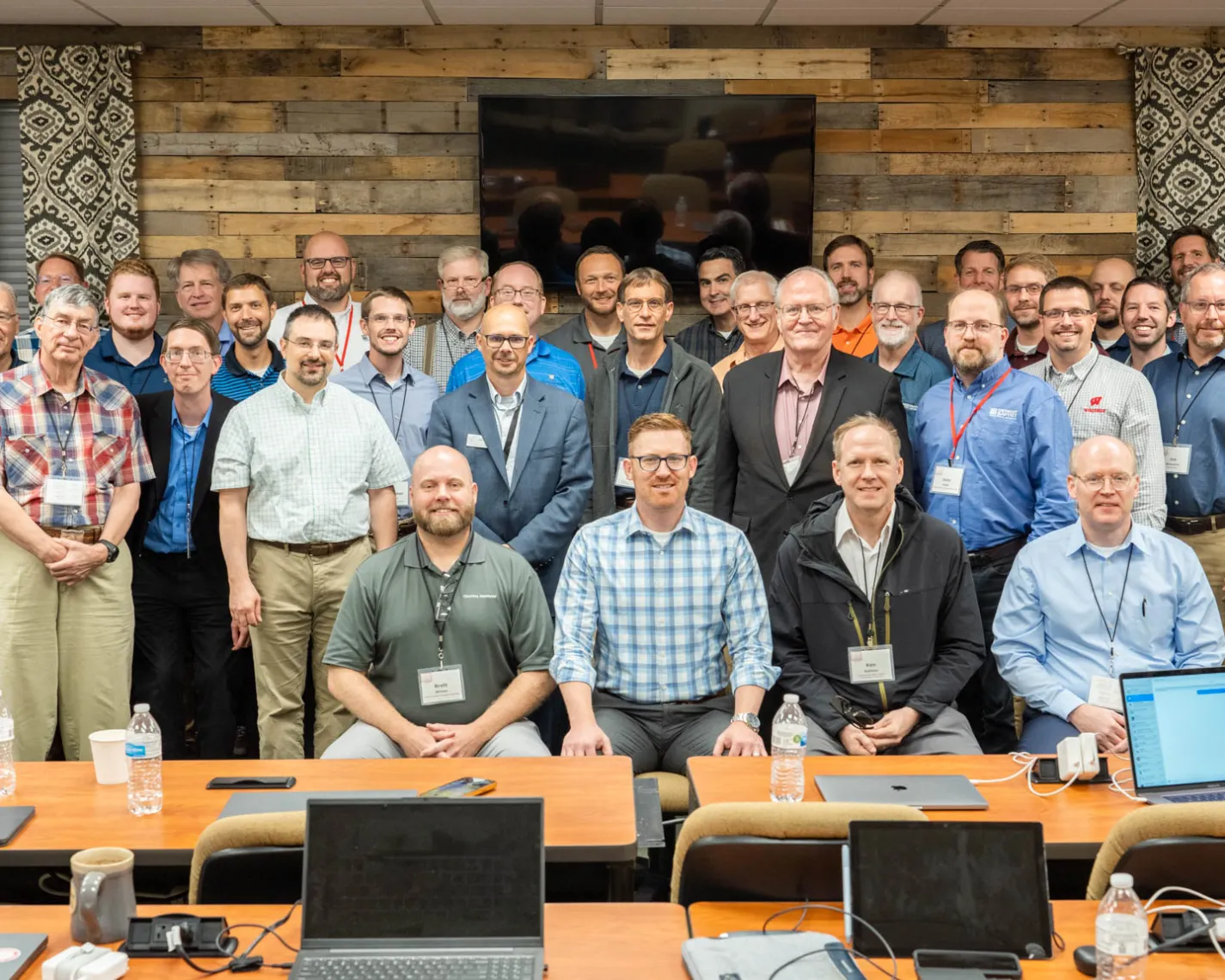
DBTS just hosted the Bible Faculty Summit, a meeting of faculty from various theological institutions. This year, we had multiple faculty members from institutions like Bob Jones University, Maranatha Baptist University, Faith Baptist Bible College in Ankeny, and Central Baptist Theological Seminary. Other institutions sent one or two representatives as well.
I always enjoy these gatherings, both for their social as well as academic opportunities. For most, a gathering like this would be a drudgery. We gather, we read papers to each other, and then comment on them. In-between papers we have brief times of fellowship and discussion (and usually plenty of food). But for those called to theological education, these are great opportunities to sharpen our tools and rub shoulders with close brothers.
A summary of a few papers might help give a sense of the conference. First, Jon Pratt (Central Baptist Theological Seminary) presented on a group he calls the “Hyper-Grace” movement. This growing group is a modern form of anti-nomianism, holding to the view that Christians are not called to strive to live lives of holiness. Indeed, to strive towards holiness is to live contrary to the gospel. I am quite thankful for John’s work detailing this group, as few others are doing this important spadework.
Second, Mark Ward (Editor of Bible Study Magazine) gave an excellent historical analysis of Psalm 12:6–7, the passage used by KJV-Only advocates to argue for the perfect preservation of the KJV. Ward ably demonstrated that the only people who have ever argued that the passage refers to the perfect preservation of Scripture are modern KJV-Only advocates. Ironically, the KJV translator’s debated choice to translate the pronoun in verse 7 as “them” instead of “him” (which the original KJV footnote suggests may have been the right reading) allowed this misreading.
Finally, Mark Snoeberger (Detroit Baptist Theological Seminary) presented on the intersection of jurisprudence and Christian hermeneutics. After wading through the debates within the legal sphere concerning how to best interpret the constitution, Mark shows that the idea of originalism has much to commend it as a clarification of what dispensationalists have often meant by the much-critiqued idea of “literalism.”
Many more excellent papers were presented (14 in all), but the ones above give an idea of the broad range of topics presented. I am leaving this conference thoroughly encouraged. Scholarship is alive and well at our institutions. The BFS has aided in growth within our movement over the last few years, and Lord willing, it will do so for many years to come.